

Ingrowing Toenail Treatment at Gait and Rehab
How Do You Treat an Ingrowing Toenail (and When Do You Need Nail Surgery)?
An ingrowing toenail happens when the nail edge presses into the skin, causing pain, redness, swelling, and sometimes infection. Mild cases can often be settled with the right nail care and footwear changes. If it keeps coming back or becomes infected, a simple in-clinic procedure can give long-term relief.
What causes an ingrowing toenail?
Most ingrowing toenails are caused by pressure on the nail edge or the nail being cut in a way that encourages it to dig in.
Common causes include:
Improper nail trimming (cutting too short or rounding the corners)
Tight or ill-fitting footwear that compresses the toes
Repetitive trauma (running, football, hiking, stubbing the toe)
Naturally curved nails or a family tendency
Swelling, sweating, or skin thickening around the nail
Higher-risk health conditions (e.g., diabetes or poor circulation), where small problems can escalate faster
How does podiatry treatment help with an ingrowing toenail?
Podiatry treatment reduces pain quickly, clears infection risk, and stops the nail edge from continuing to irritate the skin.
At Gait and Rehab, we’ll assess the nail, surrounding skin, footwear, and any risk factors (like circulation or diabetes). Treatment is tailored to how severe it is and whether it’s your first episode or a recurring problem.
What to expect:
A clear diagnosis and severity check (including signs of infection)
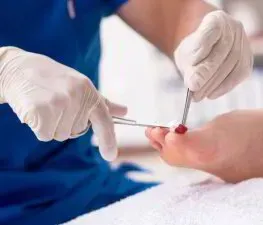
Gentle, precise nail care to remove pressure where appropriate
Practical advice on nail cutting, footwear, and daily care
If infection is present, we’ll advise the safest next step (including antibiotics via your GP when needed)
How long does treatment take?
Mild cases may improve within days to a couple of weeks once pressure is removed and the skin settles. If the problem is recurrent, nail surgery can provide long-term relief with a short recovery.
Your timeline depends on:
How inflamed or infected the toe is
Whether there’s overgrown skin (granulation tissue)
Your footwear demands (work boots, sport, long hours on your feet)
Your general health and circulation
If nail surgery is recommended, it’s typically a quick in-clinic appointment using local anaesthetic. Most people can return to normal day-to-day activities soon after, with a short period of dressing changes and aftercare.
What can I do at home?
You can often reduce irritation by keeping the toe clean, reducing pressure, and avoiding “DIY digging” down the side of the nail.
Try:
Switch to wider, deeper toe-box footwear (avoid tight trainers and narrow work shoes)
Keep the toe clean and dry; change socks daily
Warm salt-water soaks if the skin is irritated (then dry thoroughly)
Protect the area with a simple dressing if it’s rubbing
Cut nails straight across (don’t round the corners)
Safety considerations:
Don’t cut down the sides of the nail or use sharp tools to “remove the spike”
If you have diabetes, reduced sensation, or poor circulation, don’t self-treat—get assessed early
Seek help urgently if there’s spreading redness, pus, worsening pain, or you feel unwell
To read more about ingrown toenails, check out the NHS website.
FAQ
Do I need antibiotics for an ingrowing toenail?
Not always. Many ingrowing toenails are inflamed rather than truly infected. If there’s pus, spreading redness, heat, or you’re unwell, antibiotics may be needed - usually via your GP - alongside podiatry care to remove the cause of pressure. Early assessment helps prevent complications.
Is ingrowing toenail surgery painful?
The procedure is designed to be pain-free. We use local anaesthetic to fully numb the toe before treatment starts. After the anaesthetic wears off, you may feel mild soreness for a short time, which is usually manageable with simple pain relief and following your aftercare plan.
Will it come back after surgery?
If you have a partial nail avulsion with phenolisation, the aim is to prevent the problematic nail edge from regrowing. This is considered the gold-standard option for recurring ingrowing toenails. While no procedure is 100% guaranteed, recurrence rates are generally low when aftercare is followed.
When should I see a podiatrist?
Book in if pain is affecting walking, the toe is swollen or bleeding, there are signs of infection, or the problem keeps returning. If you have diabetes, poor circulation, or reduced sensation, it’s best to be seen early - even if symptoms seem mild.
Next Steps
If an ingrowing toenail is stopping you from walking comfortably, don’t wait for it to worsen. Book an appointment at Gait and Rehab in Knowle for an assessment and a clear plan - whether that’s conservative care or long-term relief with nail surgery.
Call the clinic on 01564 314614