


How Does Diabetes Affect Your Feet (and Why Is Regular Foot Screening So Important)?
How Does Diabetes Affect Your Feet (and Why Is Regular Foot Screening So Important)?
Diabetes can reduce sensation in your feet and slow down healing, which means small problems (like a blister or cracked skin) can turn into bigger issues quickly. Regular foot screening helps spot early warning signs before they become painful, infected, or harder to treat.
Book your Diabetic Foot Assessment HERE
What causes diabetes-related foot problems?
Short answer: diabetes can affect nerves, blood flow, and your skin’s ability to repair itself.
Over time, higher blood glucose levels can lead to changes that make feet more vulnerable, including:
Reduced sensation (neuropathy): you may not feel heat, rubbing, cuts, or pressure points
Reduced circulation: less blood flow can mean slower healing and a higher risk of infection
Dry skin and cracking: skin can become more fragile, increasing the chance bacteria can enter
Pressure and shape changes: altered sensation and muscle changes can increase callus, corns, and high-pressure areas
Higher infection risk: even minor wounds can become infected more easily
How does podiatry screening help with diabetes-related foot health?
Short answer: screening finds risk factors early, so we can prevent problems rather than react to them.
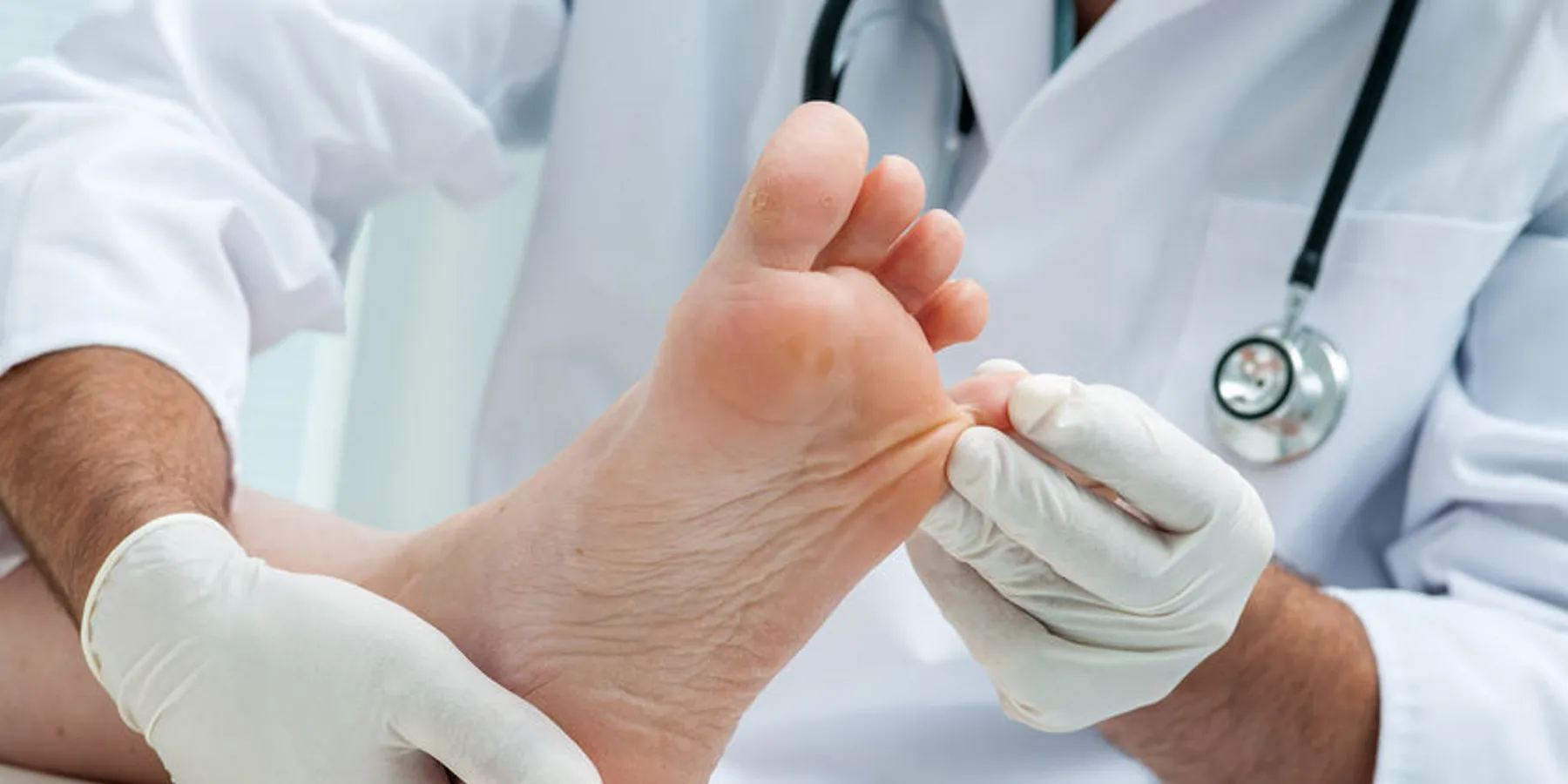
A diabetes foot screening is a structured check that looks at how well your feet are coping and whether you’re at risk of ulcers or infection. At Gait and Rehab, you can expect a calm, thorough appointment that may include:
A review of your medical history and diabetes management factors
A circulation check (pulses, skin temperature, colour)
A sensation test (to see if protective feeling is reduced)
A skin and nail check (cracks, fungal infection, ingrown nails)
A footwear and pressure-area review (callus, corns, rubbing points)
Clear advice on what to do next, based on your risk level
If we spot concerns, we’ll explain your options and create a simple plan. That might include routine care, pressure offloading, footwear advice, treatment for corns/callus, or referral onward if needed.
How long does treatment take?
Short answer: screening is quick, but ongoing care depends on your risk level and what we find.
Some people only need an annual screening and a few small habit changes. Others benefit from more regular podiatry support.
What affects the timeline:
Whether you have reduced sensation or circulation
History of ulcers, infections, or amputation
Foot shape changes, callus build-up, or pressure points
Footwear fit and daily activity levels
How quickly skin breaks down or heals
As a general guide, if you’re higher risk, you may be advised to attend more frequently so we can keep skin healthy, reduce pressure areas, and catch issues early.
What can I do at home?
Short answer: daily checks and simple foot-care habits will really reduce your risk.
Try these practical steps:
Check your feet daily: look for redness, cuts, blisters, swelling, or colour change (use a mirror or ask a family member if needed)
Wash and dry carefully: especially between toes
Moisturise (but not between toes): helps prevent cracking
Trim nails safely: straight across; don’t dig down the sides
Don’t treat corns/callus yourself: avoid blades and medicated corn plasters
Choose supportive footwear: wide enough, no rubbing seams, check inside shoes before putting them on
Act fast: if you notice a break in the skin, increasing redness, heat, swelling, or discharge, get advice promptly. A new foot wound, suspected infection, or a red, hot, swollen foot needs urgent advice from your diabetes team, GP or NHS 111. Severe illness or rapidly worsening symptoms may require emergency care.
Safety note: if you have reduced sensation, avoid hot water bottles, heat pads, or very hot baths on your feet, because burns can happen without you noticing.
FAQ
Do I need a foot check if my diabetes is “well controlled”?
Yes. Good control helps, but it doesn’t remove risk completely. Changes in sensation and circulation can still develop gradually, and you might not notice early signs yourself. Regular screening gives you a baseline and helps catch small issues early, when they’re easiest to manage.
What are the early warning signs I should watch for?
Look for new redness, swelling, warmth, blisters, cracks, broken skin, colour change, or areas of hard skin (callus). Also pay attention to tingling, burning, numbness, or pain at night. If something looks different from your normal, it’s worth getting checked.
How often should I have a diabetes foot screening?
Many people benefit from at least an annual screening, but the right frequency depends on your individual risk. If you have reduced sensation, circulation concerns, significant callus, or a history of ulcers, you may need more frequent reviews. We’ll recommend a schedule that fits you.
Is it normal to have dry, cracked heels with diabetes?
It’s common, but it’s not something to ignore. Dry skin can split and create an entry point for infection. Regular moisturising, appropriate footwear, and professional care for hard skin can help keep the skin barrier strong and reduce risk.
Can a podiatrist help even if I don’t have pain?
Absolutely. Many diabetes-related foot problems start without pain, especially if sensation is reduced. Podiatry is often preventative: we look for pressure points, skin changes, and early risk factors so you can stay active and avoid complications.
Clear next step
If it’s been a while since your last diabetes foot check (or you’re not sure what your risk level is), book a diabetes foot screening with our team. We’ll assess your circulation, sensation, skin health, and footwear, then give you a clear plan to protect your feet.
Book your Diabetic Foot Assessment HERE
Further reading:
https://www.nhs.uk/conditions/diabetes/
Contact Gait and Rehab:
📞 01564 314614
📍 2 Chester Court, High Street, Knowle B93 0LL
With 2 hours of free parking and ground-floor access. We're here to help you get back to the activities you love, comfortably and confidently.